

Understanding nerve related symptoms and options to avoid surgery
Sciatica and leg pain are common reasons people seek help for back related problems. Symptoms can be uncomfortable, unpredictable, and often concerning, particularly when pain travels into the leg or changes with posture or movement.
At the Devon Disc Centre, we help people understand what sciatica actually represents, why leg pain occurs, and what care options may be appropriate before considering invasive intervention.
Sciatic symptoms often reflect accumulated spinal stress rather than a single cause. Contributing influences may include prolonged sitting or driving, repetitive or asymmetrical movement, long periods of physical inactivity and even long term ongoing stress. Understanding these influences supports your longer term improvement and reduces future episodes.
Sciatica and Leg Pain
What is Sciatica
Sciatica is a term used to describe pain that follows the pathway of the sciatic nerve, typically travelling from the lower back into the buttock, thigh, or lower leg. It is important to understand that sciatica is not a diagnosis in itself, but a description of symptoms caused by irritation or compression of nerve tissue.
This irritation may arise from:
-
A disc bulging or herniation
-
Reduced spinal space or joint compression
-
Protective muscle guarding
-
Sustained postural or mechanical stress
Identifying the contributing influences is essential for deciding appropriate care.
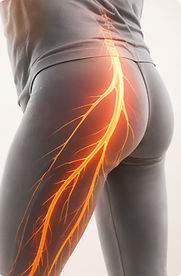
Common symptoms associated with sciatica and leg pain
Sciatica and leg pain most commonly originate from the lower back, particularly the lumbar spine. Reduced space or pressure on the spine at this level can affect nerve roots that travel into the leg and foot. Symptoms may change depending on which nerve pathways are involved.
Sciatic type symptoms vary between individuals and may include:
-
Sharp, aching, burning, or electric pain in the leg
-
Pain that travels below the knee
-
Pins and needles or numbness
-
Sensations of heaviness or weakness
-
Altered coordination or confidence in the leg
-
Symptoms that worsen with sitting, bending, or prolonged positions
Leg pain can sometimes feel more intense than back pain, which can be confusing but is a common feature of nerve involvement. Assessment helps determine the source of the problem, whether compression is contributing and which is the best solution to resolve it.
Persist or Fluctuating Leg Pain
Many people notice that sciatica improves and worsens without a clear pattern.
This often occurs because:
-
Nerve tissue is highly sensitive to pressure and movement
-
Spinal compression may vary with posture and load
-
Protective muscle responses alter mechanics
-
Nervous system sensitivity remains elevated
Temporary relief does not always indicate that the underlying cause has resolved, which is often why sciatic episodes return again and again.

Non surgical spinal decompression is designed to gently reduce pressure within the lumbar spine, claming protective muscle responses and support nerve recovery.
In suitable cases, spinal decompression sessions will:
-
Reduce pressure around irritated nerve roots
-
Support disc and joint spacing
-
Improve comfort during movement and sitting
-
Allow nerve tissue the opportunity to recover
At the Devon Disc Centre, decompression is delivered using biofeedback monitored technology, allowing care to be adjusted based on how the body responds during each session.
Not all sciatica or leg pain is suitable for non surgical spinal decompression. Our assessment process will determine whether the symptoms are nerve related and where the problem originates from.
Our assessment includes clinical history, neurological and orthopaedic testing, and functional evaluation. Our specialist practitioners will also look to rule out any of red flag indicators and help you to understand the best solutions to solve the problem.
How Spinal Decompression Can Help
Frequently Asked Questions

Taking the next step
If you are experiencing sciatica or leg pain an assessment is the best place to begin.
This allows us to understand what is contributing to your symptoms and to discuss whether non surgical spinal decompression or other care approaches may be suitable.
Book an assessment with the Devon Disc Centre to explore the most appropriate way forward.