
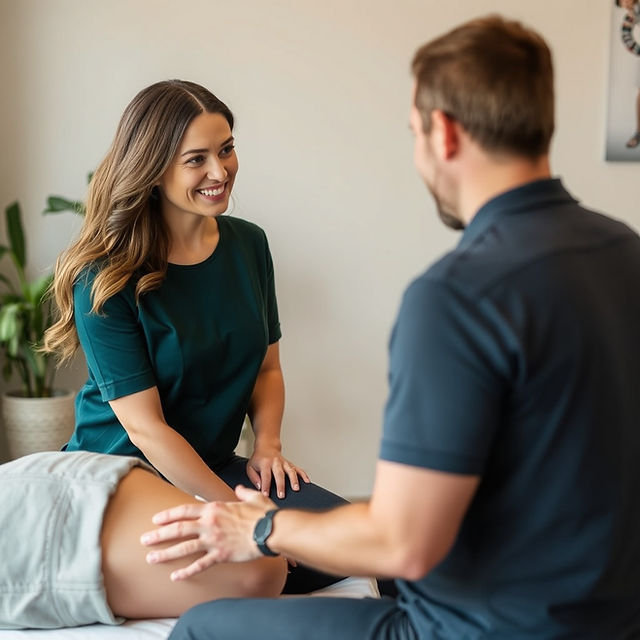
Understanding the narrowing in the spine and options for care
Spinal stenosis is a term used to describe a reduction in space within the spine. This narrowing can place pressure on nerve tissue and contribute to pain, weakness, or changes in sensation.
Being told you have spinal stenosis can feel concerning, particularly as it is often described as a degenerative or progressive condition. At the Devon Disc Centre, we focus on helping people understand what spinal stenosis actually means, why symptoms vary, and what care options may be appropriate before considering invasive intervention.
Spinal stenosis symptoms are often influenced by lifestyle and movement factors, including prolonged sitting or standing, deconditioning or reduced tolerance to load and movement variety as wel as stress and reduced recovery. Addressing these factors during an assessment is an important part of longer-term management.
Spinal Stenosis
What is Spinal Stenosis
This narrowing can occur due to a combination of factors, including:
-
Disc changes or bulging
-
Joint and ligament thickening
-
Degenerative changes over time
-
Reduced spinal movement and adaptability
Stenosis describes space, not damage. The presence of stenosis on imaging does not automatically mean symptoms will occur or worsen.
Common symptoms associated with spinal stenosis
Symptoms vary widely depending on the location and degree of narrowing.
People may experience:
-
Back or neck pain
-
Leg pain or heaviness
-
Numbness or tingling
-
Weakness in the legs or arms
-
Pain or fatigue with walking or standing
-
Relief when sitting, bending forward, or changing posture
Symptoms may fluctuate and are often influenced by posture, movement, and load.

Spinal stenosis refers to a narrowing of the spaces within the spine, which may affect the spinal canal or the openings where nerves exit.
Lumbar and Cervical Spinal Stenosis
Spinal stenosis can occur in different regions of the spine.
Lumbar spinal stenosis
Lumbar stenosis commonly affects the lower back and legs.
People may notice:
-
Leg pain or heaviness when walking
-
Reduced walking tolerance
-
Symptoms that ease with sitting or leaning forward
Cervical spinal stenosis
Cervical stenosis affects the neck and may contribute to:
-
Neck pain or stiffness
-
Arm pain or altered sensation
-
Weakness or clumsiness in the hands
-
Balance or coordination changes
A thorough suitability assessment allows us to identify the the relevance of stenosis to your symptoms, assess the neurological involvement, identify any red flags or contraindications, and decide whether decompression is an appropriate care option.

Why Spinal Stenosis Causes Symptoms
Symptoms tend to arise when reduced space limits the ability of nerve tissue to tolerate load and movement.
This may be influenced by:
-
Sustained compression
-
Reduced spinal adaptability
-
Protective muscle guarding
-
Nervous system sensitivity

Changes in posture or movement can temporarily increase or reduce pressure, which is why symptoms often vary.
Is spinal stenosis always progressive?
Spinal Stenosis is not alway progressive. Although spinal stenosis is often described as degenerative, symptoms do not always worsen over time. Many people experience stable or fluctuating symptoms that can be managed without the need for surgery. Imaging findings alone do not predict pain levels, functional ability, or future outcomes.
Can Spinal Stenosis Improve without Surgery
Many cases of Spinal Stenosis can be improved and managed without the need of invasive surgery. While the structural narrowing itself may not reverse, symptoms often improve when:
-
Compressive load is reduced
-
Movement and posture are supported
-
Nervous system responses are calmed
-
Overall spinal function improves
At the Devon Disc Centre we focus on improving tolerance and adaptability rather than forcing structural change. The management of Spinal Stenosis is about improving function and confidence rather than eliminating all symptoms. Ongoing care may be appropriate to maintain spinal movement and adaptability whilst reducing flare-ups.


Non surgical spinal decompression may be considered in selected cases of spinal stenosis where compression is contributing to symptoms and neurological findings are stable.
In suitable cases, decompression may:
-
Reduce sustained compressive load
-
Improve tolerance to movement and standing
-
Create space around irritated nerve tissue
-
Support a calmer neurological response
At the Devon Disc Centre, decompression for stenosis is delivered conservatively and always guided by assessment. Biofeedback monitored technology allows care to be adjusted based on how the body responds during each session.
How Spinal Decompression Can Help
Frequently Asked Questions

Taking the next step
If you have been diagnosed with spinal stenosis or suspect it may be contributing to your symptoms, assessment is the appropriate place to begin.
This allows us to understand whether non-surgical spinal decompression or other care options may be suitable.
Book an assessment with the Devon Disc Centre to explore the most appropriate way forward.