

Understanding trapped nerves and alternative care options
Being told you have a trapped nerve or pinched nerve can feel concerning, particularly if you are experiencing pain, tingling, numbness, or weakness.
These symptoms often raise questions about nerve damage, long term problems, or the need for surgery. At the Devon Disc Centre, we help people understand what a trapped nerve means, why symptoms occur, and when alternative care may be appropriate.
Trapped or pinched nerves rarely develop from a single cause. Lifestyle factors such as prolonged sitting, repetitive movement, stress, and reduced recovery often contribute over time.
Trapped or Pinched Nerve
What is a Trapped Nerve
A trapped nerve, sometimes called a pinched nerve, occurs when nerve tissue becomes irritated, compressed, or sensitive.
This may happen when surrounding structures such as spinal discs, joints, ligaments or muscles reduce space around the nerve or increase pressure on it. A trapped nerve does not necessarily mean permanent damage. In many cases, symptoms improve over time with specialist care.
Common symptoms associated with a trapped nerve
Symptoms vary depending on the location of the affected nerve. Some people experience mild symptoms, while others experience more significant discomfort.
Common symptoms include:
-
Sharp or burning pain
-
Tingling or pins and needles
-
Numbness
-
Weakness
-
Pain travelling into the arm or leg
-
Increased symptoms with certain movements
Symptoms often fluctuate and may improve over time, it is advisable to have a specialist assessment to clearly understand the situation and options for resolving the pain.

What Causes Trapped Nerves
Trapped nerves can develop for several reasons.
Common causes include:
-
Disc bulge or disc herniation
-
Spinal stenosis
-
Degenerative disc changes
-
Facet joint irritation
-
Muscle tension or guarding
-
Reduced movement
-
Previous injury
We often find it is a contribution of a number of these factors together that is causing your problem. An assessment is the best way to know more about the exact causes in your case.

Where is your Trapped Nerve
Trapped nerves in the lower back may cause:
-
Sciatica
-
Leg pain
-
Tingling in the leg or foot
-
Numbness
-
Weakness in the leg
Symptoms may worsen with sitting, bending, or prolonged positions.
A trapped nerve in the neck may cause:
-
Weakness in your arms
-
Neck pain
-
Shoulder pain
-
Arm pain
-
Tingling in the hand or fingers
Symptoms may fluctuate and do not always match scan findings precisely. A thorough suitability assessment allows us to identify the source of your symptoms, determine whether spinal compression is a contributing factor, assess the neurological involvement, identify any red flags or contraindications, and decide whether decompression is an appropriate care option.
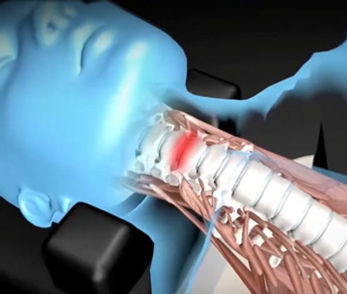

Non-surgical spinal decompression is designed to gently reduce pressure within the spine and support disc recovery.
In appropriate cases, decompression may:
-
Reduce pressure on the disc
-
Improve disc hydration and healing
-
Create space around irritated nerve tissue
-
Improve comfort during movement and sitting
-
Support a calmer neurological response
At the Devon Disc Centre, decompression is delivered using biofeedback monitored technology, allowing care to be instantly adjusted in real-time based on how the body responds during each session.
How Spinal Decompression Can Help
Frequently Asked Questions

Taking the next step
If you have been diagnosed with having a pinched or trapped nerve or suspect a nerve related problem may be involved due to your symptoms, having a specialist functional and neurological assessment is the appropriate place to begin.
This allows us to determine whether non-surgical spinal decompression is suitable and to discuss the most appropriate way forward.
Book an assessment with the Devon Disc Centre to explore your options.